
Tenders are won on evidence, structure and answering the question asked. Small firms rarely lose on capability — they lose marks on paper.
Who it's for
Small businesses facing a PQQ or ITT for the first time. Firms that bid regularly but keep coming second and never find out why. Companies with the track record to win public or commercial work, but no one in-house with the time to write a scoring response — because the people who could write it are busy delivering.
Two ways to work
- Review and improve. You draft; I strengthen. The response is scored against the evaluation criteria as an assessor would read it, gaps and weak answers flagged, and the whole document tightened before submission. The economical option for firms with some bid experience.
- Write with you. We build the bid together from the tender pack: bid/no-bid decision first, then answer plans, evidence gathering, drafting and final review against the scoring matrix. You supply the knowledge; I supply the structure, the discipline and the writing.
The most valuable hour is often the first one: deciding, against the scoring criteria, whether this tender is winnable at all.
What's included
Supplier research & vetting
The same discipline runs the other way. If you're sourcing equipment, subcontract capacity or a build partner, I longlist candidates, ask the capability questions that reveal real capacity, check references and put the quotations side by side so they can be compared fairly — before you commit.
Marine tenders
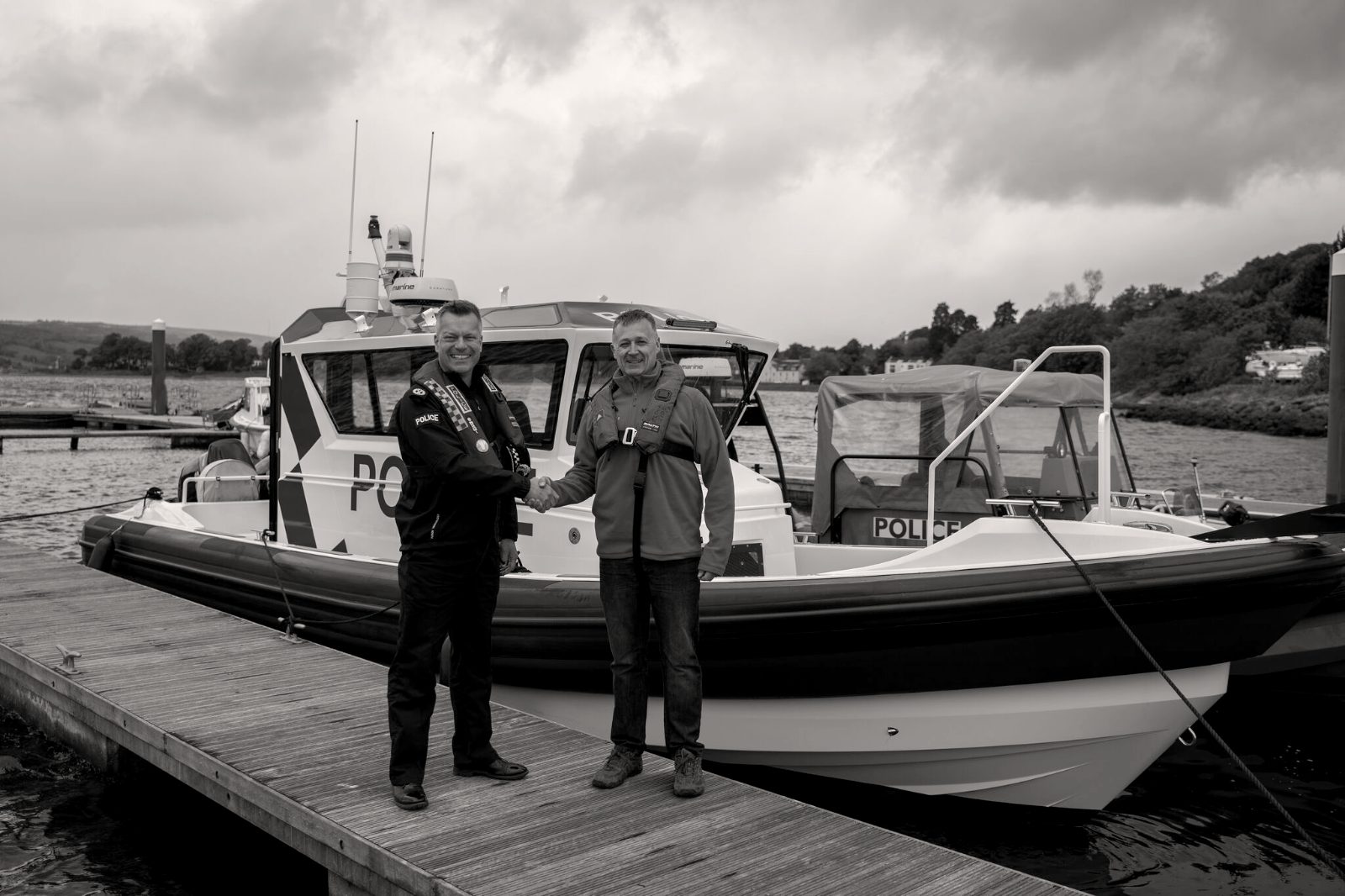
Boat and workboat tenders are a specialist case: specification, coding, trials and build oversight all affect whether the tender delivers what the operator actually needs. For RIB and workboat procurement there is a dedicated service — RIB and workboat procurement support — covering the buyer's side from specification to handover.
Next step
Send the tender pack, or just describe the situation. A short call with the documents in hand is enough for an honest view on winnability and a fixed quote for the work.